
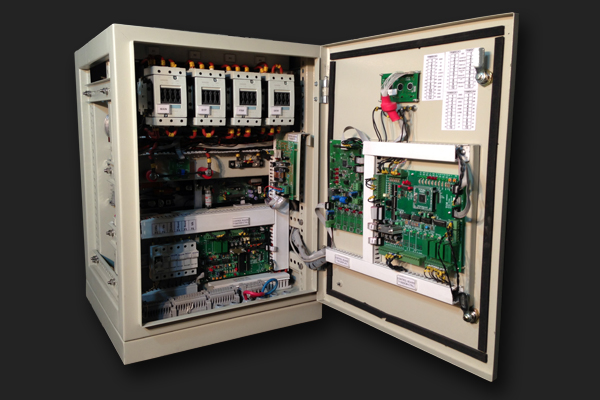

Solid state frequency converters eliminate the severe energy losses inherent in traditional mechanical power conversion by utilizing advanced semiconductor technology. Unlike older motor-generator sets that rely on moving parts and constant friction, solid state systems manipulate electrical frequency using static electronic components. This direct, digital conversion process minimizes heat dissipation and ensures that the maximum amount of input energy is successfully delivered to your connected equipment. For operations requiring precise power regulation across varying international grid standards, switching to solid state architecture provides an immediate drop in utility costs.
- Eliminating Mechanical Friction and Kinetic Losses
Traditional frequency conversion relied heavily on motor-generator sets, which physically couple an electric motor to a generator to change frequencies. This mechanical process introduces substantial kinetic energy losses through bearing friction, windage, and winding resistance. Because these systems must maintain physical rotation to operate, they continuously draw significant power even when the connected load is minimal or idle.
Solid state converters replace these rotating components entirely with insulated gate bipolar transistors and silicon-controlled rectifiers. Power flows through a static path, converting alternating current to direct current before inverting it back to the precise alternating current frequency required. Eliminating the physical movement removes the mechanical drag, allowing the system to operate at high efficiency levels that mechanical alternatives cannot match.
- Maximizing Partial Load Efficiency
Industrial and commercial electrical loads fluctuate constantly throughout a standard operational cycle. Motor-generator sets suffer from a steep efficiency drop when operating below their maximum rated capacity, consuming nearly the same amount of base energy at half-load as they do at full load. This baseline power consumption creates massive energy waste during periods of low production or off-peak hours.
Solid state frequency converters maintain a remarkably flat efficiency curve across their entire operating range. Internal microprocessors actively monitor the output demand and adjust the switching cycles of the semiconductor components in real time. Whether your facility is running at ten percent or one hundred percent capacity, the converter draws only the energy necessary to satisfy the immediate load, preventing idle power drain.
- Lowering Thermal Output and Cooling Requirements
Every watt of energy lost during power conversion transforms directly into waste heat. Because mechanical systems generate immense thermal energy from friction and electrical resistance, they require powerful, dedicated HVAC installations to keep equipment rooms within safe operating temperatures. Operating these auxiliary cooling fans and air conditioning units adds a secondary layer of continuous energy expense.
Solid state architecture produces significantly less waste heat due to the high efficiency of modern semiconductors. Less thermal generation means internal cooling fans can be smaller, run less frequently, and consume minimal power. Additionally, reducing the ambient heat load in your electrical equipment rooms lowers the burden on your facility air conditioning systems, multiplying your total energy savings across the entire building.
Conclusion
Upgrading to a solid state frequency converter fundamentally changes how your facility manages specialized power requirements. By replacing kinetic movement with digital precision, these systems eliminate mechanical drag, maintain high efficiency during low-demand periods, and actively clean up power quality anomalies. The resulting reduction in direct energy consumption and secondary cooling costs provides a clear, measurable return on investment. If your facility relies on precise, reliable frequency conversion, transitioning to solid state technology is the most effective path toward optimizing your electrical efficiency.
