
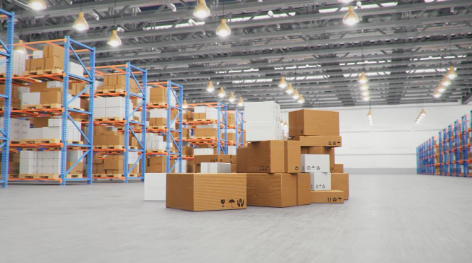

Sydney is one of Australia’s most important logistics hubs, supporting everything from local retail supply chains to international import and export operations. As customer expectations around speed and reliability continue to rise, efficient warehousing and distribution have become essential for business success.
This guide explains how warehousing and distribution work in Sydney and what businesses should consider when building or optimising their logistics strategy.
What Is Warehousing and Distribution?
Warehousing and distribution cover the storage, handling, and movement of goods before they reach customers or retail outlets. These services form a critical link between suppliers, manufacturers, and end users.
In a competitive market like Sydney, effective Warehousing and Distribution Sydney operations help businesses reduce costs, improve delivery times, and scale efficiently.
Why Sydney Is a Key Logistics Hub
Sydney’s infrastructure makes it a strategic location for warehousing and distribution, offering:
- Proximity to major ports and airports
- Access to national road and rail networks
- Large consumer markets
- Strong links to regional and interstate supply chains
These advantages allow businesses to distribute goods quickly across NSW and beyond.
Key Components of Warehousing Services
Storage Solutions
Warehouses provide short-term and long-term storage options for a wide range of goods, including palletised freight, bulk inventory, and specialised items.
Inventory Management
Modern warehouses use systems that track stock levels, movements, and turnover, helping businesses maintain accuracy and avoid overstocking or shortages.
Value-Added Services
Many facilities also offer services such as:
- Pick and pack
- Labelling and kitting
- Quality checks
- Returns processing
These services streamline operations and reduce the need for multiple suppliers.
Understanding Distribution in Sydney
Distribution focuses on getting goods from the warehouse to their final destination as efficiently as possible.
Key distribution considerations include:
- Route optimisation
- Delivery speed and scheduling
- Last-mile logistics
- Integration with transport providers
Well-planned distribution improves customer satisfaction while keeping transport costs under control.
Benefits of Outsourcing Warehousing and Distribution
Many businesses choose to outsource logistics rather than manage it in-house.
Benefits include:
- Reduced overhead and staffing costs
- Access to specialised facilities and expertise
- Scalability during peak demand
- Improved focus on core business activities
Working with experienced providers allows businesses to adapt quickly to market changes.
Choosing the Right Warehousing Partner
When selecting a warehousing and distribution provider in Sydney, consider:
- Facility location and accessibility
- Technology and inventory systems
- Security and compliance standards
- Flexibility and scalability
- Industry experience
Providers offering Pendulum Logistics end-to-end warehousing solutions can support businesses through every stage of the supply chain, from storage to final delivery.
Building an Efficient Supply Chain in Sydney
Warehousing and distribution are more than operational necessities—they are strategic assets. In a fast-moving market like Sydney, efficient logistics can drive customer satisfaction, reduce costs, and support sustainable growth.
By understanding how warehousing and distribution work and partnering with the right logistics provider, businesses can build resilient supply chains that keep goods moving smoothly and reliably.
